- The Pulse
- Posts
- From $50B Valuation to Bankruptcy
From $50B Valuation to Bankruptcy
Now WeWork’s Competitors Circle Their Corpse Post-Collapse

Michael Campbell
19 Nov
Thank you to our sponsor and partner Miint Holdings for making this newsletter free for our readers!
Miint Holdings leverages their 80 combined years of real estate and asset management experience to provide passive real estate investment opportunities to accredited and non-accredited investors.
They manage more than $50M in California commercial and residential real estate, and have become one of the most active acquirers of Midwest small-to-midsize multifamily apartments.
Want to invest with the best?
Now WeWork’s Competitors Circle Their Corpse Post-Collapse
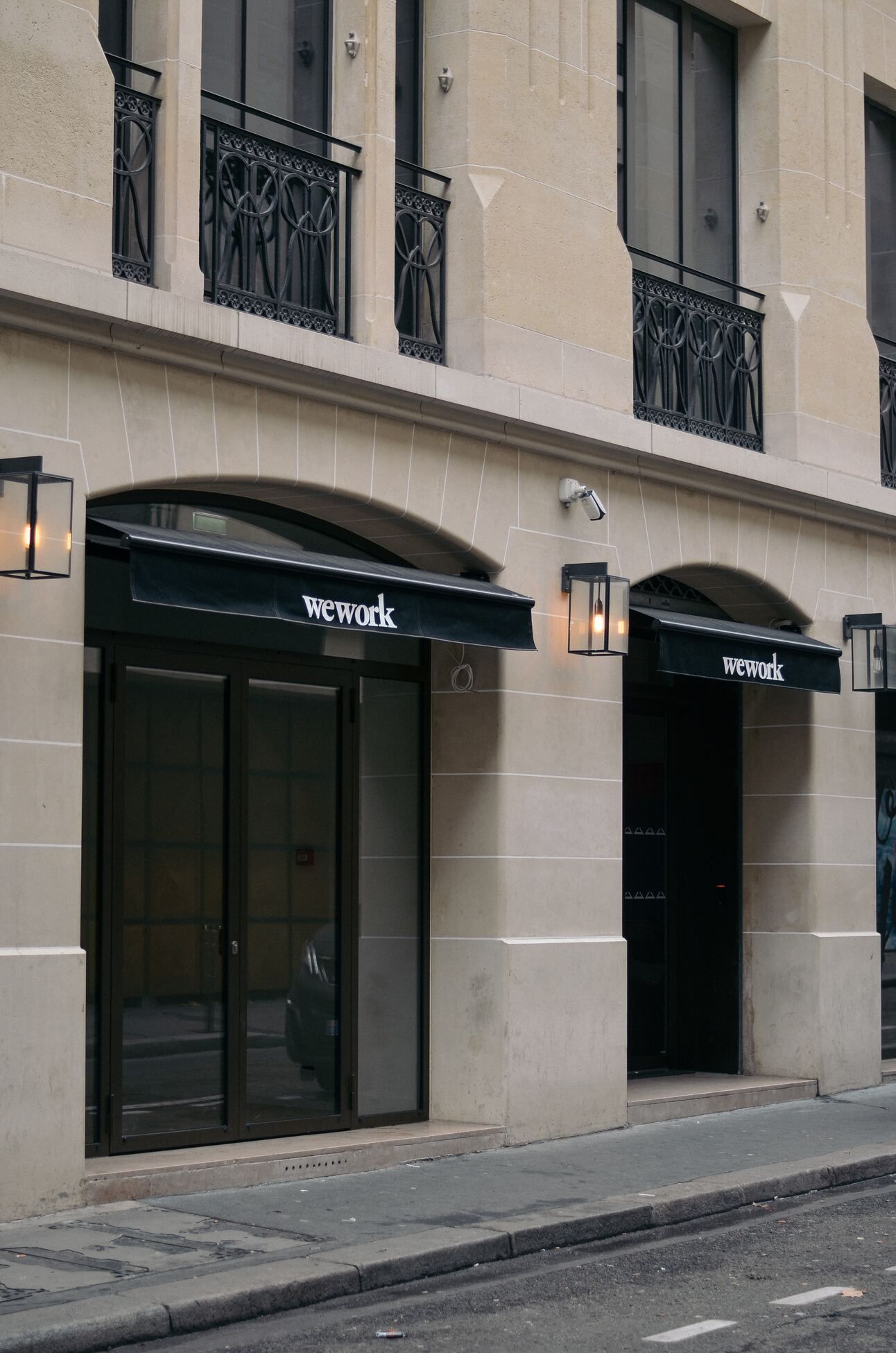
WeWork was the unicorn darling of new-age commercial real estate. Over a relatively short period of time, they became the most well known and widely used provider of shared co-working office space. With over 600 locations spanning from San Francisco to Southeast Asia, WeWork’s global grid of ultra-modern, high-tech work sites were the unrivaled top choice amongst indi (independent) digital nomads and early-stage companies looking to remain nimble.
But the tide began to turn when founder and former-CEO Adam Neumann’s unorthodox - and arguably unethical - leadership led to a number of lawsuits and a slew of bad press. WeWork’s largest investors - including SoftBank, which owned a substantial stake in the company - became soured. Ultimately, Neumann was forced to step down, and ‘distance’ himself from the business as it hoped to rebuild.
All efforts were largely unsuccessful and WeWork’s stock continued to slide. Shortly after hitting a 52-week low of $0.52, the battered start-up once valued at $47B, filed Chapter 11 Bankruptcy.
And just as the dust has begins to settle, long-time competitor Codi has started to scope out how they can capitalize on WeWork’s impending exit. TechCrunch recently reported that Codi has already launched a campaign dubbed ‘WeWont’, which aims to poach disgruntled WeWork tenants that are looking for a more stable and reliable alternative.
While Codi has been the most brazen in their approach, a handful of traditional and hybrid commercial office space providers have set their sites on filling the void that WeWork will leave behind.
Quick Takeaways
WeWork, Once the Country’s Most Valuable Startup, Valued at $47 Billion, Has Now Filed for Chapter 11 Bankruptcy
Competitors Such As Commercial Co-Working Office Space Provider, Codi, Are Now Attempting to Pick Up the Pieces That the Former Industry Front-Runner Has Left Behind
Codi Recently Launched An Attack Campaign Dubbed ‘WeWont’, which Aims To Poach WeWork Tenants Looking for A New Home
On Another Note
✺ Upsizing New Yorkers Eliminate Over 100K Apartment Units: The apartment conversion craze has cost NYC over 100K apartment units. Developers, investors, and homebuyers seeking more space, are turning multiple small apartment units, into one large apartment. — Inman
✺ Rate Pause Allows Housing Market to Breath: After more than eight consecutive increases, the Fed finally decided to hold interest rates steady; a fiscal move that’s been long awaited amongst homebuyers and investors. — Housing Wire
✺ The Nation’s Largest Broker Association May Go Bankrupt: A Missouri jury found The National Association of Realtors guilty of collusion and ‘price fixing’. The jury has demanded the NAR to pay $1.8B in damages, but talks of a much larger class-action lawsuit are swirling, which may call for financial remedies north of $100B. — MPA
✺ Brookfield Breaks Up With Cushman: Brookfield Asset Management, one of the nation’s largest owners of commercial real estate, has severed ties with Cushman & Wakefield and will no longer be utilizing the brokerage for their U.S. listings. — Bloomberg
✺ AirBnb Is Under Siege In the Northeast: Following the controversial AirBnb Ban in New York City, New Jersey has followed up with allowing developers to build hotels as-of-right, rather than jumping through a series of regulation hoops. The influx of hotel inventory will make it even tougher for alternative short-term-stay options to flourish; especially AirBnb operators. — The Real Deal
The Pulse Report
Finally, the missing piece to your real estate puzzle . . .
The Pulse Report provides the most important real estate insights, in real time.
It’s the data that drives the real estate market to where it’s headed next packaged in a clean, comprehensive, easy-to-read report delivered to your inbox every month.

Made for real estate investors and professionals, but also read by single-family homeowners, buyers, and sellers that want to keep their finger on The Pulse of the heart of the housing market.
The Pulse is the only quick-read weekly newsletter that always delivers fresh content, and keeps it: brief, free, and unbiased.